Description
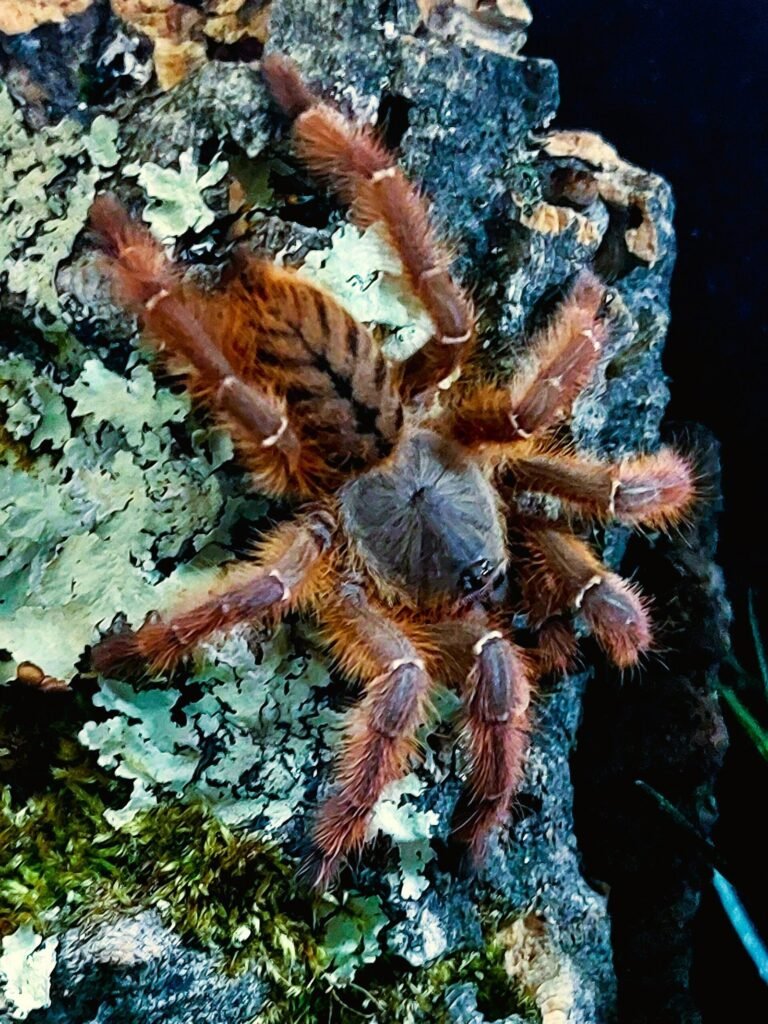
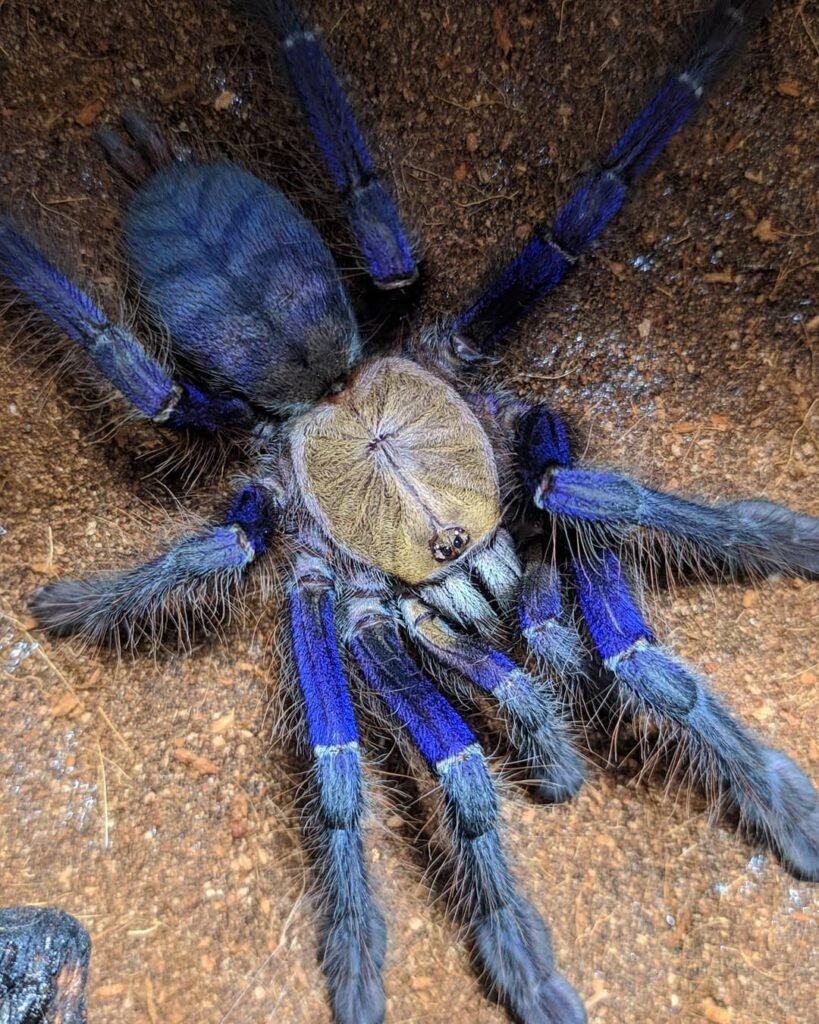
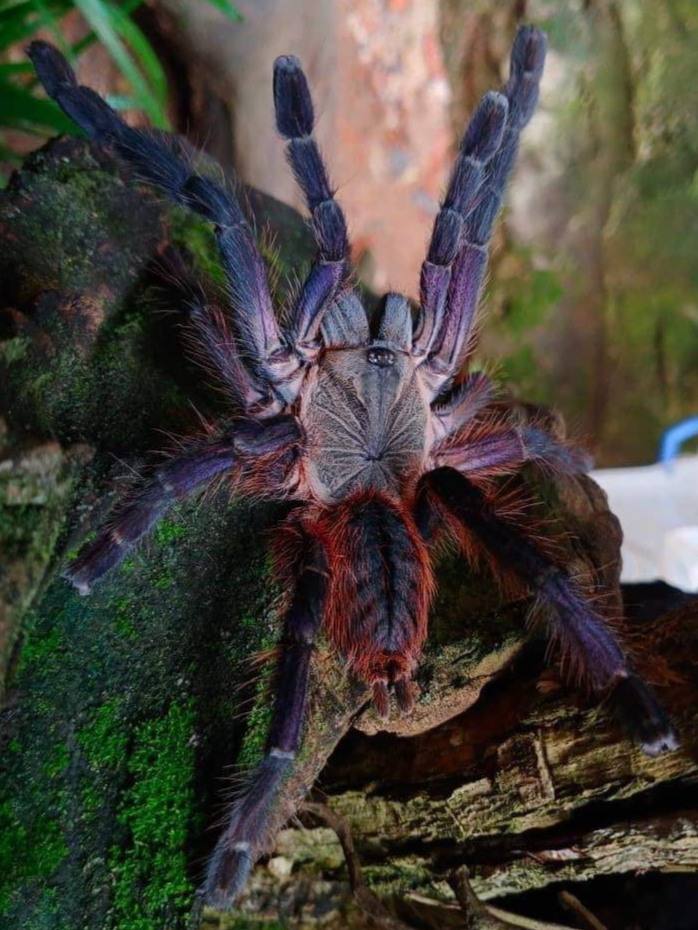
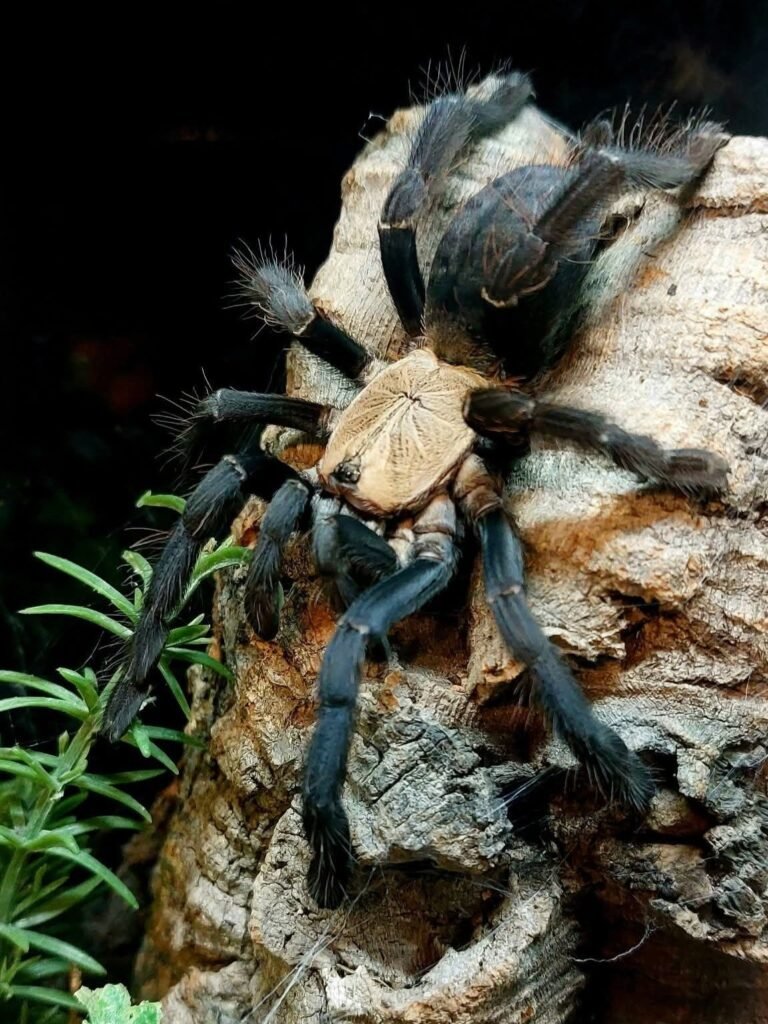
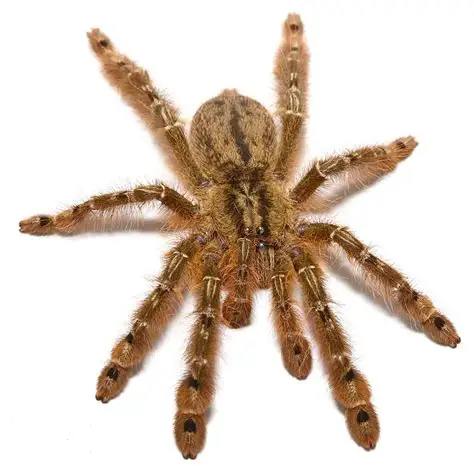
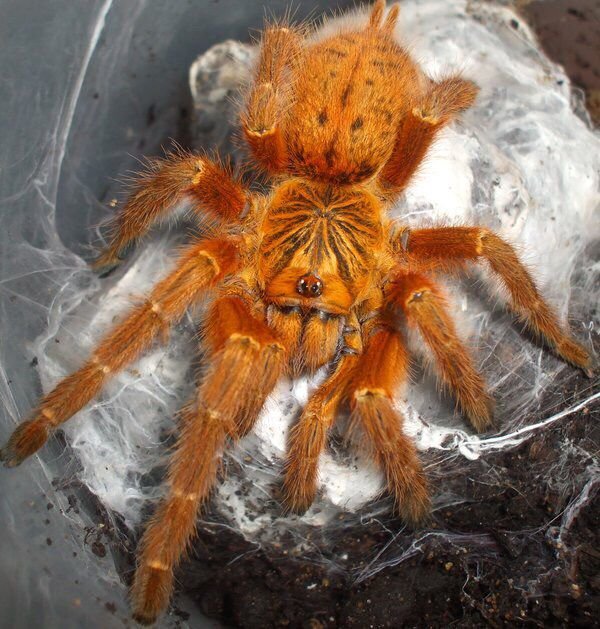
Pterinochilus murinus, widely known as the Orange Baboon Tarantula (OBT) or “Orange Bitey Thing,” is an iconic Old World species from Central, East, and Southern Africa. Prized for its fiery orange colouration and dramatic web castles, this bold, fast-growing tarantula is a classic choice for experienced keepers.
Species Overview & Key Features
- Scientific & Common Name: Pterinochilus murinus (Orange Baboon Tarantula / OBT – Red Colour Form)
- Origin & Lifestyle: Central, East, and Southern Africa; terrestrial to semi-fossorial heavy webber
- Appearance & Adult Size: Vivid orange body and legs with a starburst carapace pattern and dark leg banding; reaches 12–15 cm diagonal leg span
- Temperament & Growth: Fast-growing; extremely fast and defensive with medically significant venom and no urticating hairs (advanced keepers only—not suitable for beginners)
- Behaviour & Webbing: Heavy webber that constructs intricate silk curtains, tunnels, and burrows
Care Requirements & Feeding
- Temperature & Humidity: Maintain 24–28°C and low-to-moderate humidity; keep substrate predominantly dry with good cross-ventilation and a lightly moist corner or water dish
- Enclosure: Secure, well-ventilated terrestrial container with deep, dry, compactable burrowing substrate and cork bark web anchor points
- Diet: Spiderlings take flightless fruit flies, pinhead crickets, and micro roaches; juveniles and adults take appropriately sized crickets, locusts, or roaches
Current Offering & What You Receive
- Specimen: Captive-bred unsexed spiderling (approx. 1–2 cm)
- Included: Healthy UK captive-bred sling, species-specific care guidance, secure insulated packaging, and fast Next Day delivery by 1pm
For additional husbandry resources, journal articles, and UK invertebrate community events.
Visit the British Tarantula Society
You can also browse our full collection of Old World Arboreal Tarantulas
Check where we are vending next on our Upcoming Shows page