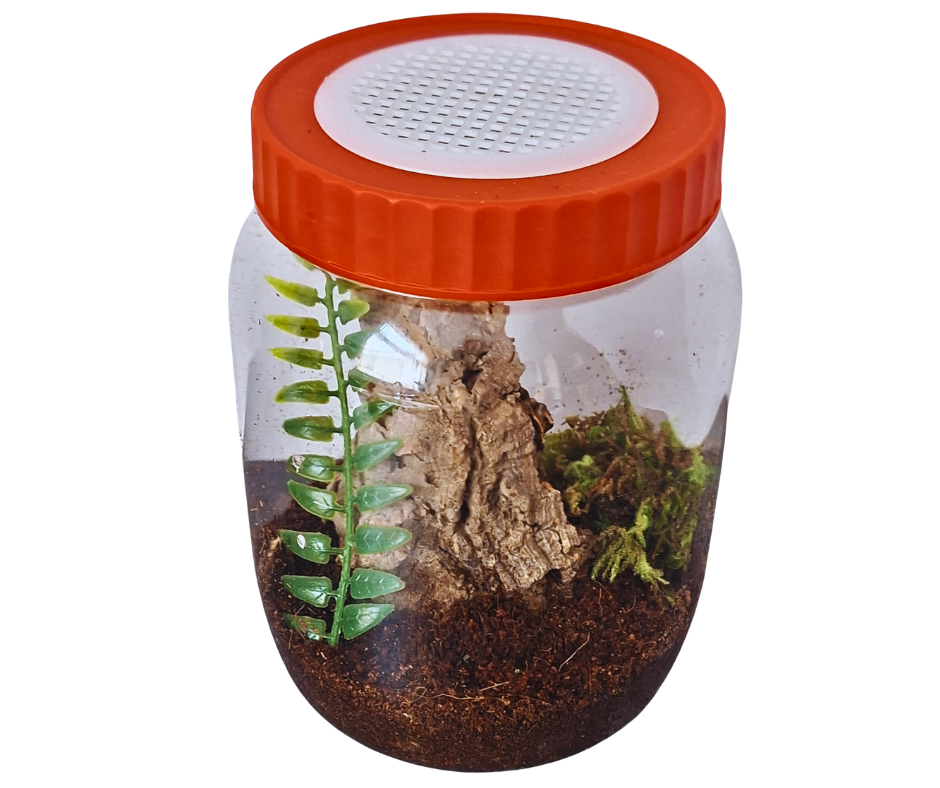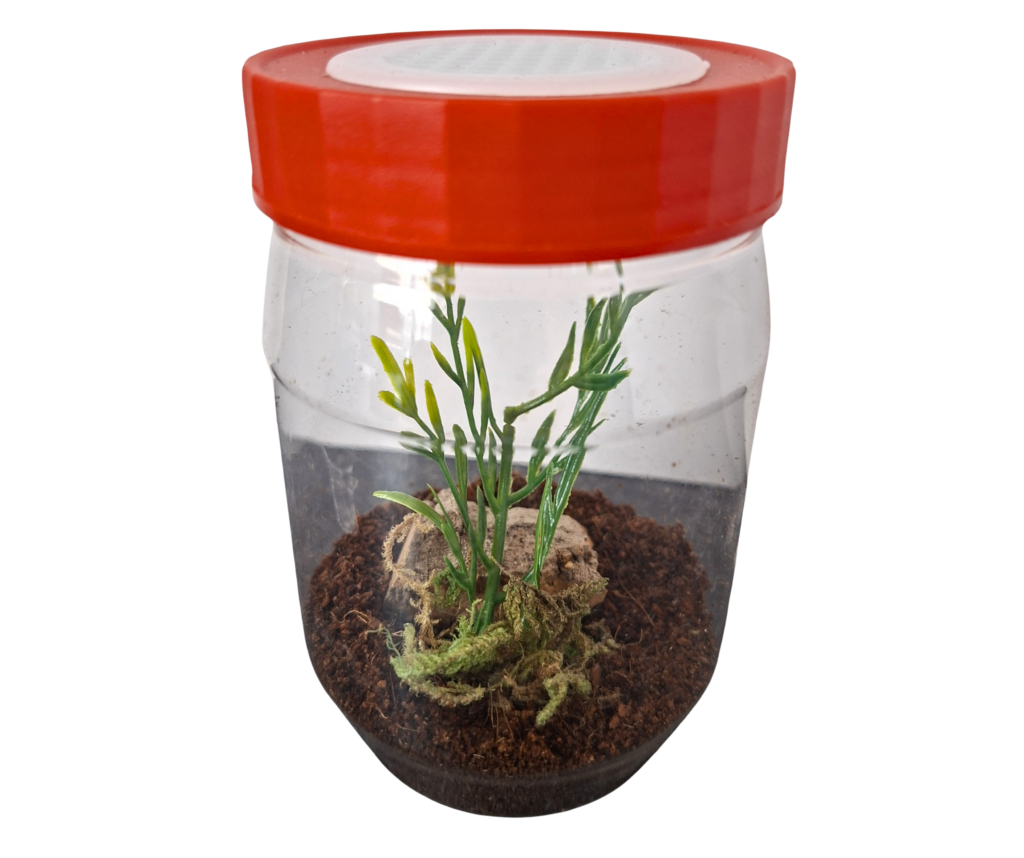
Description
- Unsexed spiderling – 3cm
- Temperature – 21-25°C
- Humidity – 60–75%
- Leg span – 13-15cm
- Origin – West Africa
- Advanced
Introduction to the Feather-Leg Baboon Tarantula
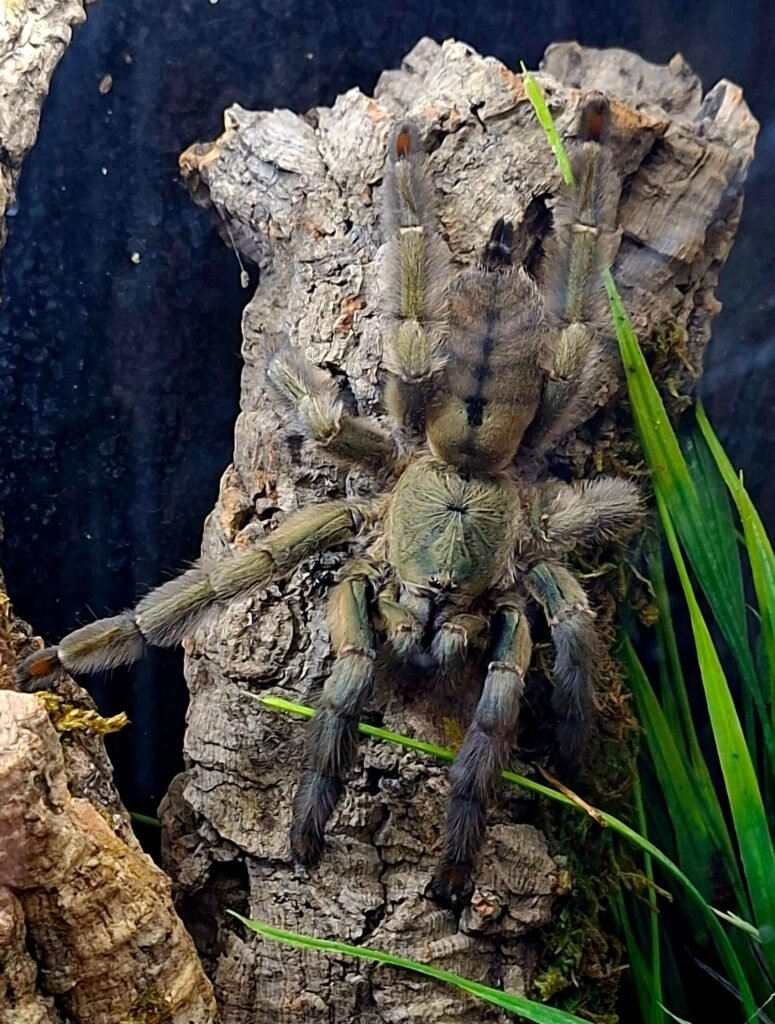
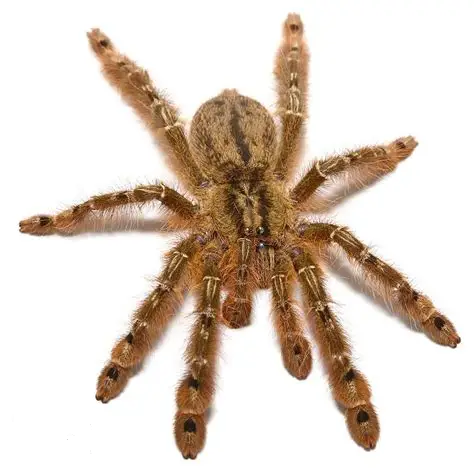
The Stromatopelma calceatum, or Feather-Leg Baboon Tarantula, is a fascinating yet highly challenging species native to West Africa. With its astonishing speed, unique cryptic pattern, and dense feather-like leg structures, it is an exceptional addition for experienced arachnid enthusiasts. This species is not for beginners, as it combines unmatched agility with a potent venom and a highly defensive nature.
Striking Appearance and Unique Adaptations
The Feather-Leg Baboon Tarantula boasts a stunning cryptic patterned exoskeleton designed to blend seamlessly into its natural arboreal environment. Its feathered legs are not just visually impressive but also serve functional purposes in camouflaging and communication. These aesthetic features contribute to its allure for collectors and arachnid specialists alike.
Temperament and Handling Considerations
This species is infamous for its aggressive and defensive temperament. Unlike many other tarantulas, the Stromatopelma calceatum will stand its ground when threatened and may strike repeatedly. Bites can cause severe symptoms such as muscle cramping, nausea, intense swelling, and localized pain. As such, this tarantula should never be handled and only kept by seasoned experts with suitable enclosures designed to minimize interactions.
Notable Comparisons and Unique Challenges
While other Old World arboreals like Poecilotheria and Heteroscodra maculata are known for their defensive behaviors, the Feather-Leg Baboon Tarantula takes it to the next level. Its extreme speed, combative instincts, and environmental adaptations truly set it apart as one of the most advanced and challenging species to manage in captivity.