
Tarantula Care
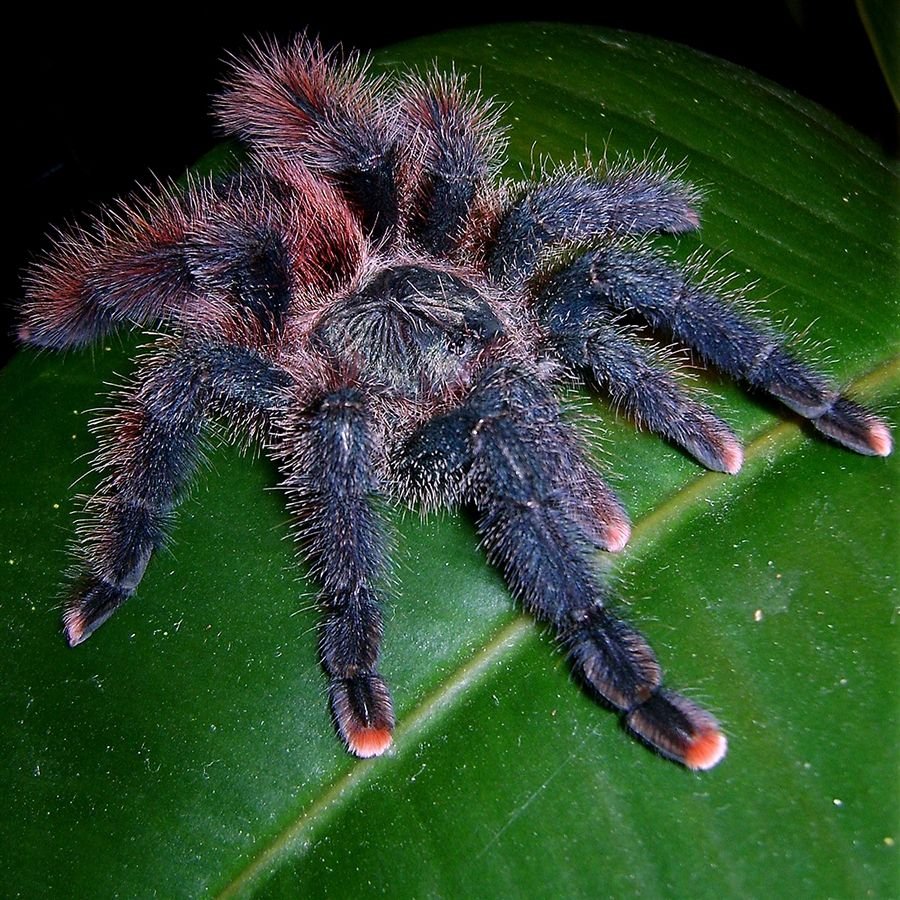
Thinking of getting a Tarantula?
If you’re unsure, don’t buy one yet—only get a tarantula if you’re okay with live insects, careful-interaction, and long-term care.
- Prepare Your Home – A little planning can help make caring for a tarantula a better fit for your household. Have a suitable enclosure ready, and make sure everyone at home agrees to the addition.
- Plan for Feeding – Tarantulas eat live insects, such as crickets or roaches. Be prepared to provide them regularly and keep a steady supply on hand. Live feeder insects come in different types and sizes. Depending on the insects, they may also be noisy or have an odor, so consider where you will keep them.
- HOUSING – While almost all Tarantulas SHOULD be kept Individually, a few can be kept as communal. This comes at a risk of some of the community getting eaten and therefore, not recommended.
- Plan for Adult Size – Arboreal tarantulas can grow quickly, so consider their adult size before buying a spiderling. Planning ahead helps prevent a large female from outgrowing a small plastic container. Before your tarantula matures, make sure you have room for a larger enclosure. A female can be housed in a tall glass enclosure suited to her size.
- Small to Medium Species – The Exo Terra Nano Tall enclosure (20 × 20 × 30 cm) is a suitable option for small to medium tarantulas.
- For Larger Tarantulas – For larger species such as Poecilotheria, the Exo Terra Tall enclosure (30 × 30 × 45 cm) offers a spacious display option.
- Stable Temperatures – Help your tarantula thrive by maintaining a temperature of approximately 22–28°C. If needed, use a heat mat on the outside of the enclosure with a thermostat, and check temperatures regularly. Never use a heat mat without a thermostat.
- Healthy Humidity – Aim for 75–85% humidity to reflect the tropical rainforest habitats of many arboreal species. Mix sphagnum moss into the substrate and add lush carpet moss for a natural look. Light misting can help maintain humidity.
- Ventilation Matters – Good airflow is essential for long-term health, even when maintaining a humid enclosure.
- Keep Fresh Water Available – A clean water bowl helps ensure your tarantula can drink whenever it needs to, even if you rarely see it drinking. Change the water weekly, or sooner if it becomes dirty. Position the bowl above the enclosure floor to help keep crickets from drowning in it and contaminating the water.
- Typical Lifespan – Female arboreal tarantulas typically live 11 to 12 years, In rare instances, females may live for up to 15 years. Males generally live for 3 to 4 years.