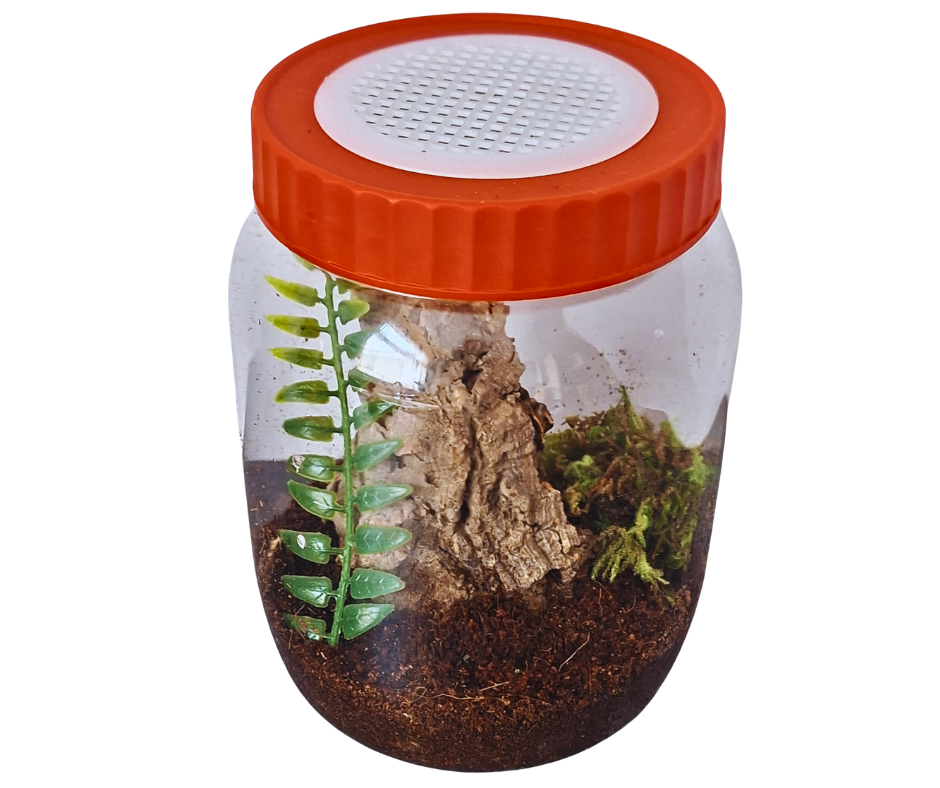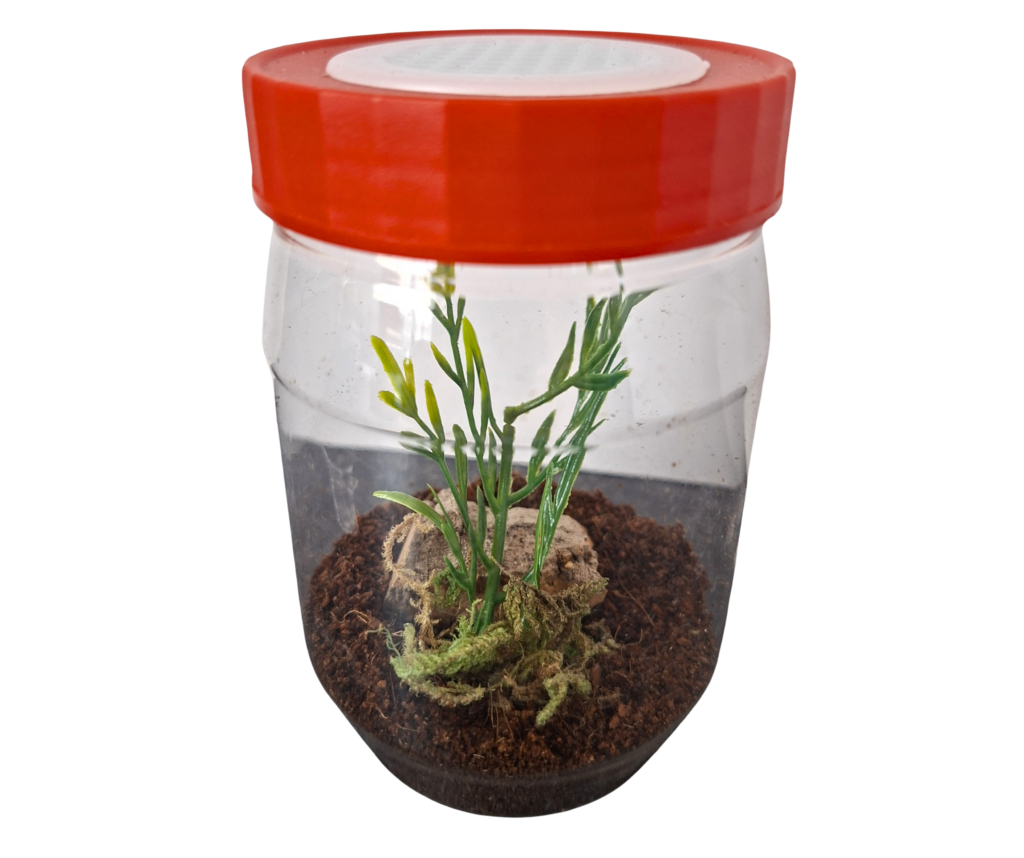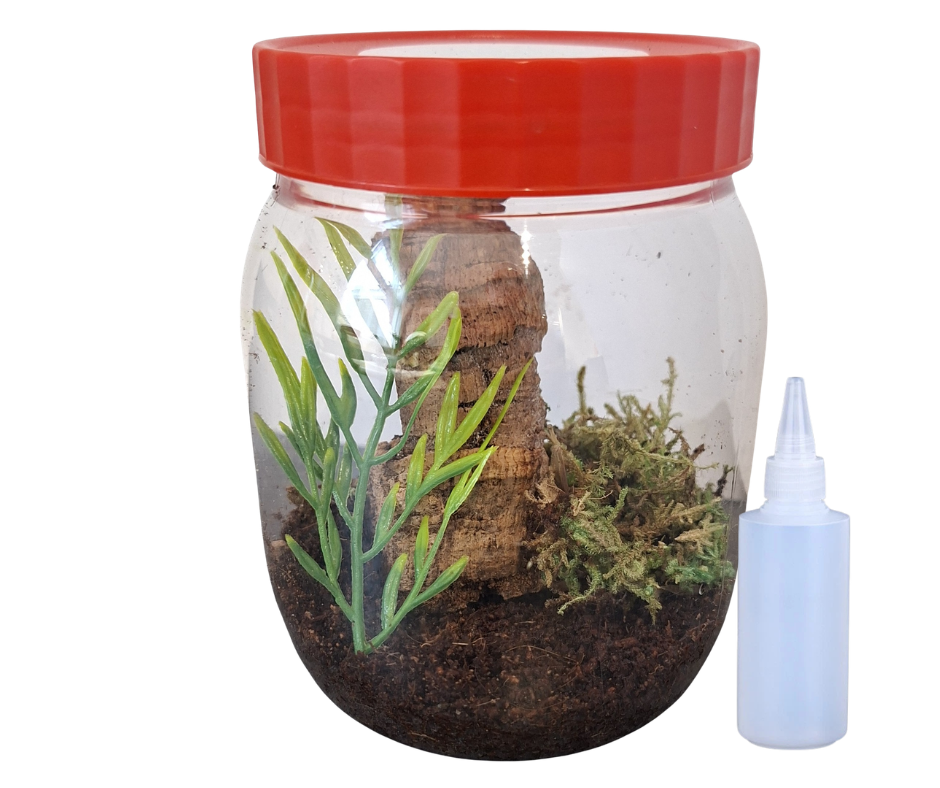
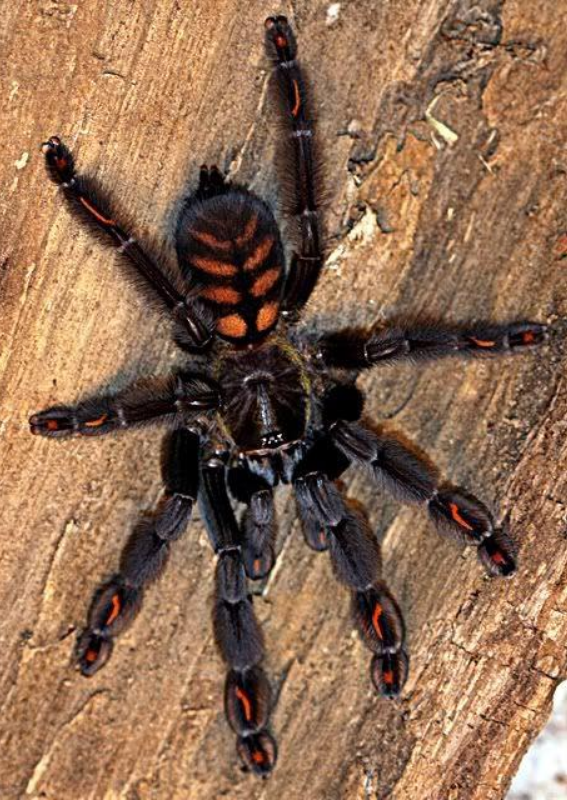
Description
- Unsexed spiderling – 3cm
- Temperature – 22-28°C
- Humidity – 68–78%
- Leg span – 13-15cm
- Origin -Venezuela
Introduction to P. irminia
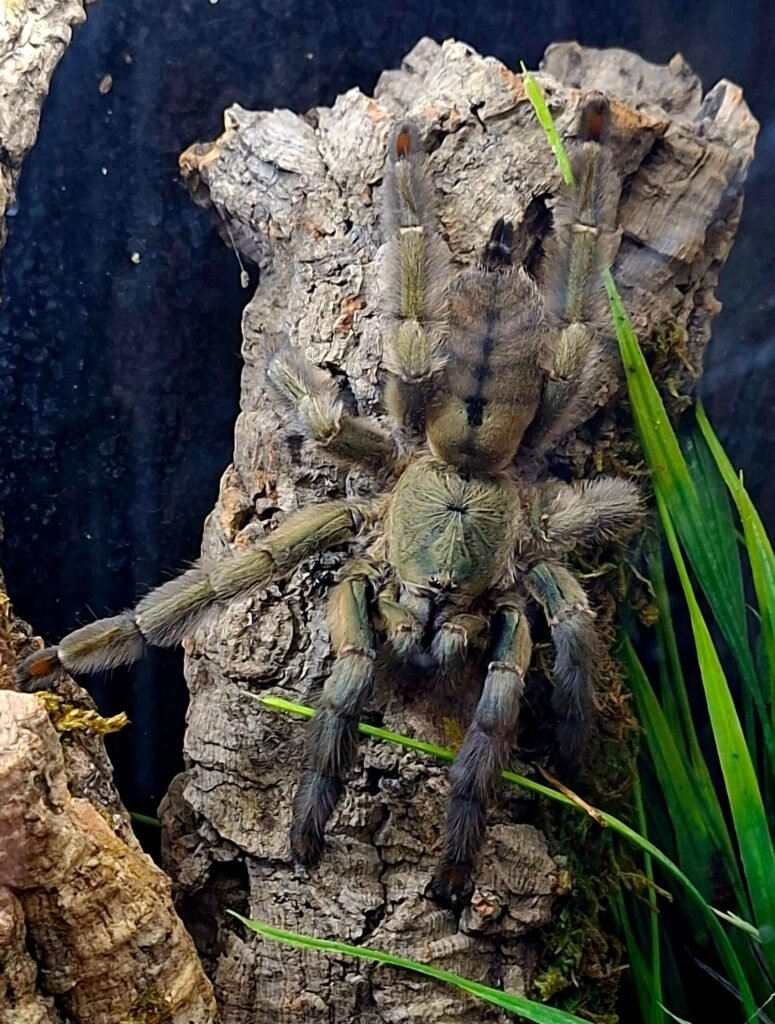
P. irminia stands out among New World tarantulas due to its unique behaviour and defence mechanisms. Unlike most tarantulas in its classification, it lacks urticating hairs, relying instead on speed, agility, and a venomous bite for protection. This fascinating trait aligns more closely with the typically aggressive Old World tarantulas, making it a unique species to observe.
Behaviour and Défense
Highly defensive and incredibly skittish, P. irminia is capable of rapid movements and even jumping when it senses a threat. Its venom, considered more potent than that of most New World tarantulas, adds to its remarkable defense strategy. These characteristics make it a species requiring caution and respect when doing maintenance or re-housing.
Natural Habitat and Living Style
In the wild, P. irminia inhabits the dense tropical forests of its native regions. This obligate arboreal species thrives in tree hollows, palm fronds, and areas rich in vegetation. Rarely descending to the forest floor, it constructs intricate silken retreats that often incorporate nearby materials like leaf litter. Its unique adaptation to arboreal living makes it an awe-inspiring addition to any enthusiast’s collection.